Many organizations wonder the same question: should we invest in an LMS or in personalized AI to improve training?
The strategic answer is usually simpler (and more useful) than it seems: it’s not about choosing “one or the other”, but about understanding what problem you want to solve and which combination gives you a real advantage.
First things first: what an LMS solves vs. what AI solves
An LMS is the system that organizes training: courses, learning paths, users, tracking, certifications, compliance, and analytics.
Personalized AI is the accelerator: it helps people find answers, apply what they’ve learned, and solve questions in the moment—using context and your organization’s language.
When a company wants to “transform” training, it usually needs both… just not always in the same order.
When an LMS should be your priority
If your main challenge is to organize, scale, and measure training, the LMS is the foundation. It tends to be the priority when you need to:
• Centralize training in one place (or connect what you already have).
• Ensure compliance and traceability.
• Build role-based learning paths (onboarding, managers, technical roles, etc.).
• Get clear analytics: activation, progress, true completion, applicability.
• Manage at scale: 200+ employees, multiple teams, sites, or countries.
When personalized AI should be your priority
If your main challenge is getting people to apply what they learn and reducing friction day to day, personalized AI makes the difference. It tends to be the priority when:
• Key internal knowledge is scattered (procedures, policies, documentation).
• The same questions keep coming up and support is overloaded.
• You need fast answers in the flow of work (not “when there’s time”).
• You want a multilingual, contextual assistant for employees.
• You’re aiming to improve performance with microlearning and continuous reinforcement.
The common mistake: buying “technology” instead of solving a “use case”
Many decisions fail for one reason: choosing a tool because it’s trending (a “next-gen” LMS or “AI”) without defining the use case first.
A practical rule: if you can’t describe in one sentence what will change in people’s day-to-day work, you’re not buying a solution yet—you’re buying a promise.
3 real scenarios—and which combination usually works best
Scenario 1: Onboarding and compliance with limited time
If you need to ramp people up quickly and ensure compliance, the LMS is essential. Personalized AI adds value as “in-the-moment” support to answer questions and reinforce procedures.
Best combination: LMS + contextual AI.
Scenario 2: Lots of internal knowledge and constant operational questions
If your organization runs on processes and documentation, personalized AI can reduce friction from day one. The LMS completes the picture with traceability and measurement of learning paths and evidence.
Best combination: personalized AI + LMS (to govern and measure).
Scenario 3: Long content, low consumption, low application
When the issue is adoption, format matters. Microlearning and well-designed content change usage. AI helps recommend and resolve doubts. The LMS lets you measure and optimize with data.
Best combination: well-designed content + LMS + AI.
A simple checklist to choose well
Before deciding, answer these questions:
• Is the goal to organize and scale training… or improve application at work?
• Do you need traceability, certification, or compliance?
• Is key knowledge scattered across PDFs, intranet pages, procedures?
• What percentage of questions repeats every week?
• How will you measure impact: only completions, or also applicability and operational outcomes?
• Is your training mobile-first (2–3 min), or does it depend on “finding an hour”?
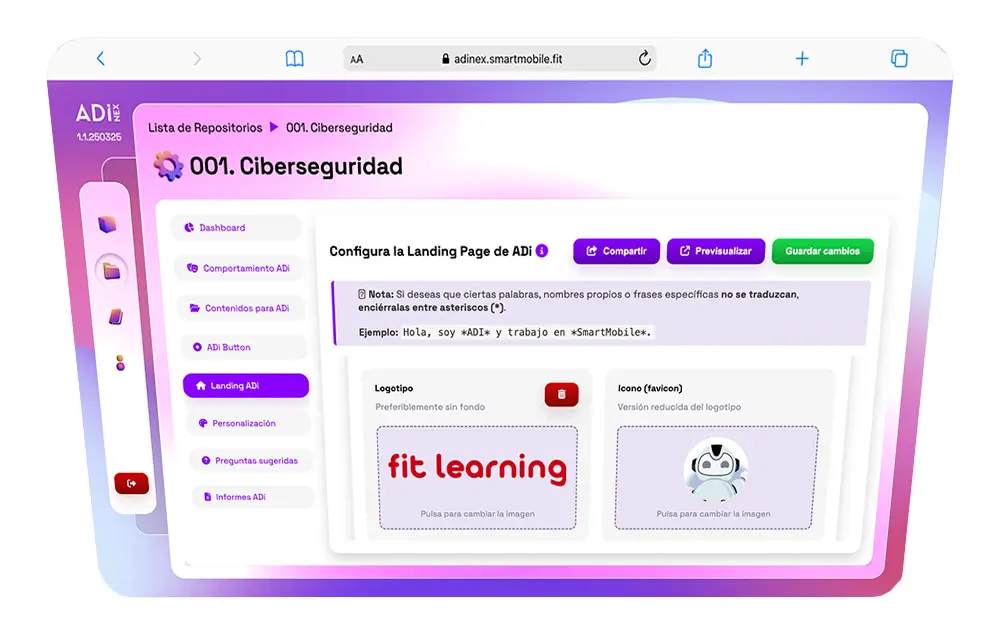
How FIT delivers it: LMS + personalized AI + content people actually consume
At FIT Learning, we approach it as a system—not as separate tools:
• SmartMobile LMS: the foundation for role-based paths, 24/7 access, mobile-first learning, and analytics to decide what to reinforce.
• ADI NEX: personalized, multilingual AI for contextual support, real-time answers, and learning in the flow of work.
• SmartContent: custom courses and microlearning produced with instructional methodology and AI support to scale quality and keep content up to date.
The real competitive advantage: measure and optimize
Transformation doesn’t happen when you “publish courses”. It happens when you can answer with data:
• what gets used and what gets abandoned,
• what people apply on the job,
• which skills improve,
• and what operational impact you achieve.
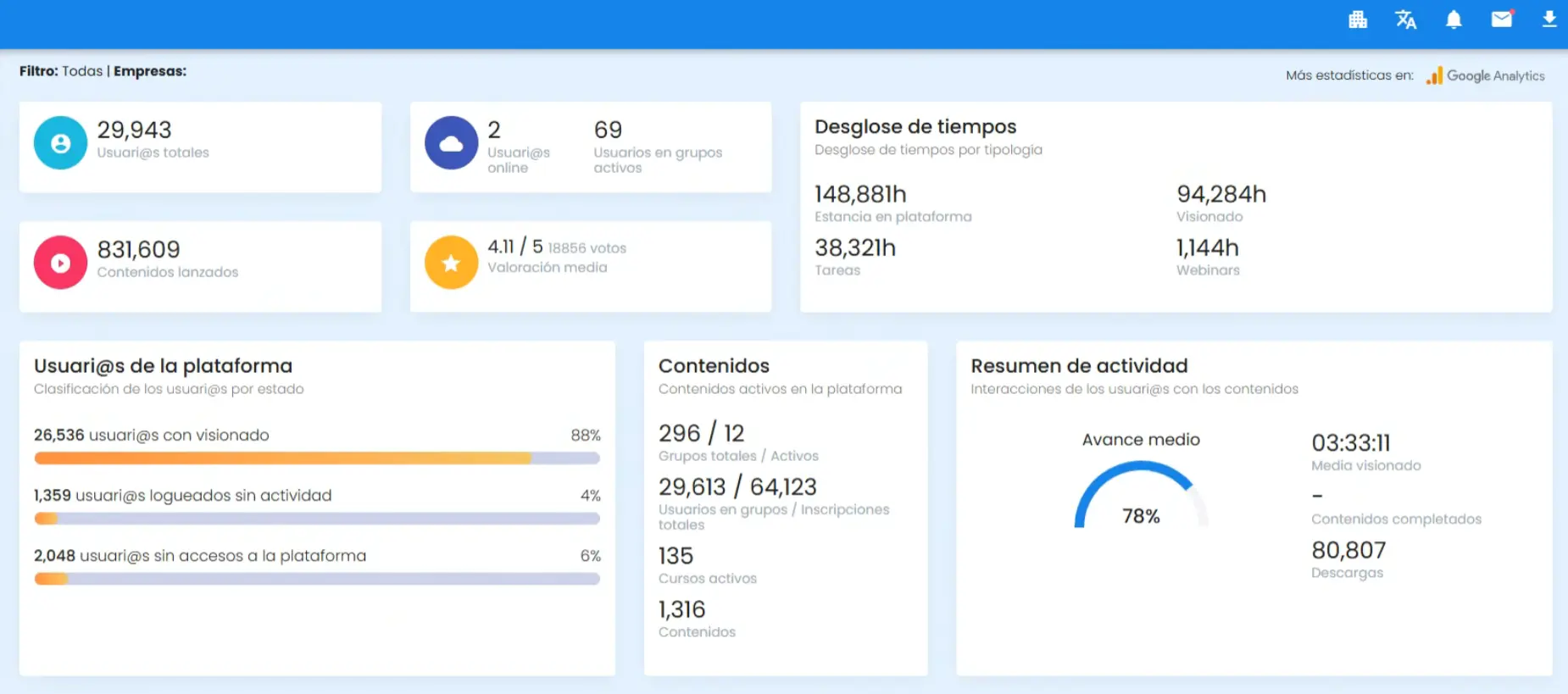
That’s where an analytics-driven LMS and AI connected to context become a competitive advantage.
Conclusion: it’s not “LMS or AI”—it’s “why” and “in what order”
If your priority is governance, scale, and measurement, start with a solid LMS. If your priority is reducing friction and supporting performance in the moment, personalized AI can be the accelerator.
And if you want it to truly transform, the key is integrating system + content + AI with a measurable approach.
Want to tailor this to your case?
If you tell us your goal (onboarding, compliance, upskilling, internal support), we’ll help you define what you need first—and how to combine LMS and AI for real impact.
Email us at fitls@fitls.com or visit fitls.com.
